

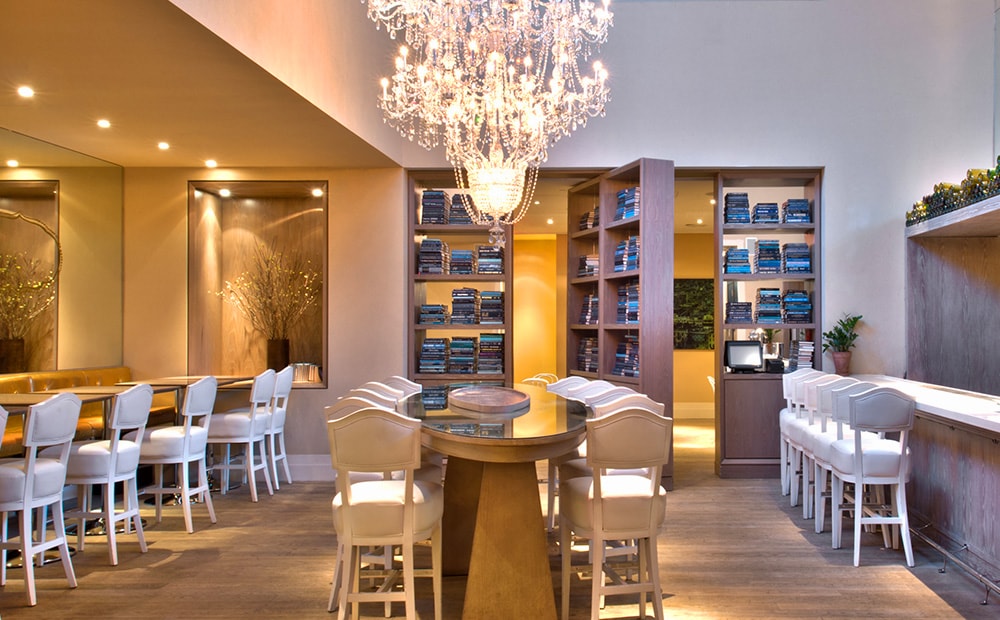
Raising the bar: How Aimbridge EMEA drives industry-leading guest satisfaction scores
May 21, 2026 | Community, News, Openings, Our Team, Signings




As guest expectations continue to evolve, delivering a consistently exceptional experience has become central to hotel performance.
In our latest roundtable discussion, the team from Aimbridge Hospitality EMEA explores how guest satisfaction is changing, how it can be measured effectively and what truly drives loyalty in today’s hospitality landscape.
The panel
- Nicole Kirkland, Director of Talent (NK)
- Steve Dunford, Director of Operations & Quality (SD)
- Matthew Schenker, General Manager, Holiday Inn Express Stockport (MS)
- Steve Coulam, Vice President of Operations (SC)
How have guest expectations evolved in recent years?
MS: “Expectations have diverged between corporate and leisure travellers. Corporate guests have become more selective as business travel has become increasingly purpose-driven. They value efficiency, location, fast Wi?Fi and consistency. Whereas leisure guests, often facing rising travel costs, expect higher service standards these days in response to the increased financial investment they’ve made in their holiday or short trip. They’re looking for a stronger overall sense of value and experience.
SC: “Yes, I’d agree, plus many guests are now also looking for personalisation delivered through friendly, engaged service, combined with seamless digital experiences. Sustainability has also become a much stronger expectation alongside traditional comfort and service.”
NK: “We’ve shifted from transactional service to a need for personalised experience, as Steve says. There is now far less reliance on rigid service scripts and a much greater focus on empowering colleagues to feel trusted, supported and able to respond authentically in the moment.”
SD: “Yes, I agree with Steve on personalisation and seamless digital experiences – but we must not forget the basics of clean rooms, well-maintained, everything working as it should.
How can hotels measure guest satisfaction accurately?
SD: “I believe that what gets measured gets managed. We use two platforms at Aimbridge – the brand guest feedback scoring, which is sent to all guests following their stay, and ReviewPro, which captures wider online sentiment. Together, these give us an accurate picture and the insight we need to make informed improvements that keep our guests coming back and telling others about our hotels, too.”
MS: “These tools allow us to gather and analyse guest feedback in detail, identifying trends and understanding specific areas of opportunity so that we can keep on refining our service delivery and respond proactively to evolving expectations.”
NK: “I would say, however, that while traditional metrics such as review scores are important, they only tell part of the story. The most accurate view comes from connecting guest feedback with colleague insight and operational data, including employee engagement, retention and service recovery trends.”
SC: “Yes, it’s that collaborative approach that really works. Combining data from multiple platforms, including brands, OTAs, Net Promoter Score and real-time feedback allows us to understand trends clearly and act quickly where change is needed.”
What aspects of the guest experience have the greatest impact on loyalty?
SD: “For me, it is absolutely our people. Our teams provide personal service, not just brand standards. When a guest mentions one of our colleagues by name in feedback, we know we’ve delivered something exceptional.”
NK: “I’d agree. Loyalty is built through a culture of service excellence. When teams are confident in service recovery and supported through continuous development, they create connections that turn into loyalty.”
MS: “And then, genuinely recognising that loyalty is critical, particularly for repeat and loyalty programme guests. We do this for our IHG members through thoughtful gestures such as personalised welcomes or tailored in-room messages, which create emotional connection, enhance the sense of exclusivity and often translate into positive guest reviews and employee name mentions, ultimately building trust, satisfaction and real, longer-term loyalty.”
SC: “Personalised service, emotional connection and consistent quality across every touchpoint helps drive repeat stays. As Matthew says, being aligned with trusted brands and offering loyalty schemes that offer great rewards and highlight customer preferences is crucial.”
How is technology helping to improve guest satisfaction?
NK: “Technology should enhance human connection, not replace it. By removing friction from the guest journey, our people can focus on what matters most – meaningful interactions. Technology also supports colleagues through smarter scheduling and targeted learning, helping build confident teams.”
MS: “Yes, it really is about enhancing what we do, rather than replacing that human touch. In recent years, we have seen technology play an increasing role in response to guests’ growing interest in sustainability and digital convenience.
“More guests are requesting environmentally conscious options, such as having invoices emailed rather than printed, and actively choosing services that minimise waste. At the same time, guest behaviour is shifting toward technology-led service models. Many now prefer the convenience of ordering food and drinks through apps rather than visiting the bar in person.
“These trends reflect a broader demand for efficiency, reduced contact, and responsible practices that align with modern values.”
SC: “Smart room controls, AI-driven personalisation and mobile one-touch services are all creating frictionless, tailored experiences that enhance comfort, speed and overall satisfaction.”
SD: “Yes, the new norm is 85% of Gen Z travellers book and plan trips via mobile, accelerating demand for smartphone?optimised hotel touchpoints. AI is shaping operations and guest journeys, making “effortless” the new standard.”
What role does staff feedback play in improving the guest experience?
MS: “This is an area extremely important to us, as we are a select-service hotel offering primarily rooms with a small food and beverage provision. Our team must ensure that the guest journey is memorable from the moment of arrival, as we have limited opportunities to make a lasting impression. Unlike full-service hotels with restaurants, spas, or extensive facilities, we rely on every interaction to create a positive experience. If we fail to meet expectations at the start, it can be much harder to recover the guest’s perception later in their stay. This makes attention to detail, personalised service, and consistency absolutely critical in shaping guest satisfaction and loyalty.”
SC: “Employee engagement and feedback drive operational excellence, as happy and motivated teams deliver consistently. Nobody knows the customers and barriers to great service better than the team delivering every day.”
SD: “Yes, our hotel teams are front-facing and experience the guest journey in real time. Their feedback is essential and we need to listen and act on what we hear.”
NK: “Colleagues often see challenges long before they appear in guest reviews and scores. By actively listening to our colleagues and acting on their feedback, we create a culture where continuous improvement becomes part of everyday service. When employees feel heard, valued and involved in shaping solutions, they are far more likely to deliver the discretionary effort and care that guests remember.”
What trends in guest expectations should hotels prepare for?
NK: “I think the future of guest service will be based around personalisation, connection and purpose. Guests are increasingly looking for unique experiences that are personal to their needs, whilst also paying closer attention to sustainability and community impact. As technology continues to take care of paperwork and process, focus will turn to human interaction and emotionally intelligent service.”
SD: “Yes, I agree that personalisation will continue to grow in importance. Guests are individuals and increasingly expect experiences tailored specifically to them.”
SC: “Those immersive, personal experiences with a clear focus on sustainability will be key. For business travellers in particular, a true ‘home-from-home’ feel will always be essential.”
MS: “And, I’d add that with rising costs, guests will continue to naturally expect a higher-quality product. For budget or select-service hotels like ours, meeting these expectations can be challenging due to brand limitations and operational constraints. Guests now also want more value for their money, and there is an increasing expectation for high-tech features in rooms, such as smart TVs, fast Wi-Fi, and mobile-enabled services.
“Balancing these demands with cost and brand restrictions requires creativity, attention to detail, and that focus on personalised service that we’ve mentioned, to enhance the overall guest experience.”